
Blog
Healthy Lifestyle Tips with Ayurvedic Herbs for Natural Everyday Wellness and Balanced Living
Aug
If you want to maintain the balance between physical and mental health, then you will need to structure your daily choices. Your lifestyle habits can influence your health in many ways and make it better or even worse. Traditional Ayurveda has many medicinal herbs that can help you make sustainable choices by balancing your biological rhythms. You can easily achieve this by adding your botanical herbs in your daily routine to help your body support your physiological defenses. In this blog, we will learn about healthy lifestyle habits and how you can incorporate Ayurvedic herbs for balanced living.
What are Ayurvedic herbs?
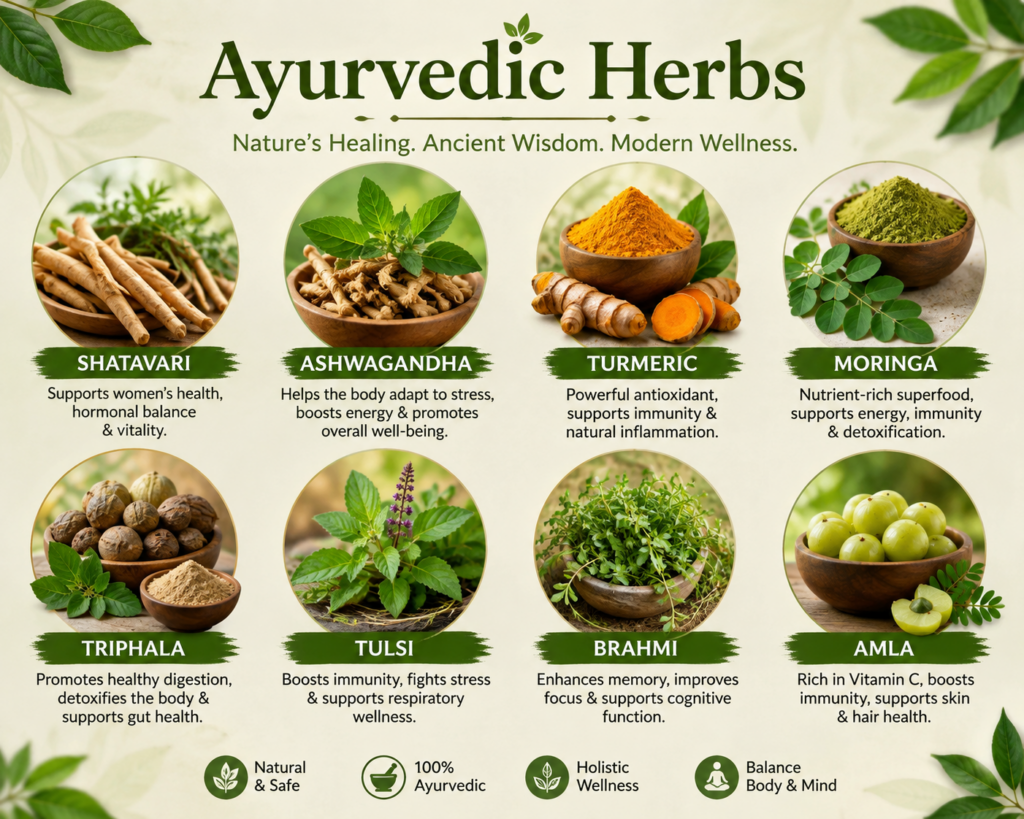
Ayurvedic herbs have existed for centuries and have been a crucial part of traditional Indian medicine. Traditional herbs easily support systematic equilibrium, support cellular longevity and health, and optimize immune responses. These also support all other functions holistically and interact with body functions naturally to target the root causes of internal imbalances. Some of the best used Ayurvedic herbs include
- Shatavari—this powder is a traditional herb and also an adaptogen which maintains hormonal balances, nourishes body tissues, and supports good reproductive health.
- Ashwagandha is a clinically acclaimed traditional herb that is best known to reduce stress responses and maintain good metabolism.
- Turmeric – A type of rhizome popular for its high curcumin content and offers many anti-inflammatory properties.
- Moringa – A leafy herb that is packed with nutritional content, including vitamins, minerals, and amino acids.
- Triphala—it means “three fruits.” A powder made by mixing three different fruits to regulate indigestion issues and gastrointestinal transit.
- Tulsi ( holy basil)—a sacred herb used for prayers and rituals—also has medicinal benefits. It helps in respiratory problems and strengthens our barriers against environmental stressors.
- Brahmi and Amla—Amla has loads of vitamin C for cellular defense, and Brahmi is used as a syrup to improve concentration and memory.
All these ayurvedic herbs are available in multiple forms to suit specific preferences. For example, Shatavari powder, loose-leaf herbal teas, concentrated liquid extracts, capsules, and many more are available for easy use in everyday life.
Strategic Habits For Natural Everyday Wellness
If you really want to include these Ayurvedic herbs in your daily routine, then make sure to stay consistent and adjust the doses as prescribed for long-term health benefits.
-
Start Your Day with Hydration
If you want to wake up fresh every day, then don’t open your digital world; instead, cleanse your body with a glass of warm water. Drinking on an empty stomach helps in stimulating peristalsis, rehydrates cellular structures, and activates metabolic enzymes after long hours of fasting.
-
Eat a Balanced And Colorful Diet
Then after that, make sure to take a nutrition-rich breakfast and other meals of the day. Nutritional content serves as the foundation of good physical health. Add a vibrant spectrum of natural ingredients such as leafy greens, fruits, whole grains, and clean proteins. And eat warm meals to absorb all the nutritious content, and this minimizes digestion strain.
Include Ayurvedic Herbs mindfully
To ensure maximum absorption and benefits, make sure to take supplements regularly. For example, using shatavari powder 3 to 4 times a week helps in enhancing metabolic stamina and sustaining tissue health. Fine shatavari powder can also be used with warm milk, beverages, or smoothies or mixed in your flours. If you are a busy individual, then also ensure consistency without straining your digestive system.
-
Stay Physically Active
Physical exercises ensure steady blood circulation and prevent any lymphatic stagnation. So, ensure you do at least 30 minutes of simple exercise that may include walking, swimming, or even yoga. These can help you build physical stamina without any adrenal fatigue.
-
Prioritize Quality Sleep
For restoring body functions, biological repairs, neurological detoxification, and tissue synthesis, good sleep is necessary. Make sure to rejuvenate and relax away from digital screens one hour before sleep. Sleep at a fixed time to match the body’s natural circadian biology.
Practice Mindfulness
Neurological stress impacts your body’s physical wellness. Take 5 or 10 minutes out of your daily schedule structure or do simple breathing exercises. These few minutes can help you lower stress markers and help stabilize the autonomic nervous system.
Choose Organic Herbal Products
If you truly want to gain the therapeutic value of any Ayurvedic herbs, then it’s important to buy only the certified item. Only organic herbal products that are grown without synthetic pesticides, chemical fertilizers, or any heavy metal exposure. Also check if it has the maximum concentration of clean and adulterated active plant constituents.
Store Herbs Properly
The molecular integrity of any herbal supplement can decrease over time due to various underlying factors. That’s why it is necessary to store all loose powders, teas, and capsules inside any airtight glass containers. Then store them in a dark room away from direct sunlight and moisture.
Maintain Healthy Daily habits
Lastly, the biological system will thrive on predictability. You need to maintain uniform schedules for exercises, sleep, and maximum nutrition that will minimize friction within the nervous system. If your daily habits become consistent, the body will operate significantly better with maximum efficiency.
Conclusion
Hence, sustaining a healthy body is an ongoing process that involves physical and biochemical maintenance. By incorporating daily habits, paradise inspiration, and mindfully adding your botanicals like shatavari powder 3 to 4 times per week, you can help provide the right raw material for your body’s natural vitality.
FAQs
What are Ayurvedic Herbs?
Ayurvedic herbs are biological plant materials sourced from roots, leaves, bark, and fruits. They are utilized within structured traditional frameworks to encourage metabolic harmony, protect cellular tissue, and optimize overall physiological performance.
Which Ayurvedic Herbs are Popular?
Frequently utilized choices include adaptogens like shatavari powder and ashwagandha, alongside deeply protective herbs such as turmeric, triphala, moringa, tulsi, brahmi, and amla.
How can I Include Ayurvedic Herbs in My Routine?
Herbal powders can be mixed directly into warm milks, healthy shakes, or breakfast dishes. They may also be consumed via pre-measured vegan capsules, brewed as custom teas, or administered as concentrated fluid extracts.
Are Ayurvedic Herbs a Substitute for a Healthy Diet?
No. Botanical supplements are designed to augment and enhance bodily functions, not replace fundamental nourishment. They deliver the best results when paired with complete whole-food nutrition, adequate hydration, regular exercise, and structured sleep.
Disclaimer: This article provides general educational information only and does not serve as medical advice, diagnosis, or treatment. Always consult a qualified physician or healthcare provider before introducing new herbal supplements into your regimen, particularly if you are pregnant, nursing, taking prescription medications, or managing an ongoing medical condition.