
Blog
How to Use Pandan Leaves for Flavorful Asian Desserts and Drinks
Jun
Have you ever stepped into the world of Asian bakeries or enjoyed refreshing tropical drinks? Then you may have encountered the sweet, captivating scent and taste of pandan. These leaves are often referred to as “Vanilla of the East” and are vibrant green magical treats found at every Asian sweet treat shop.
What Are Pandan Leaves?
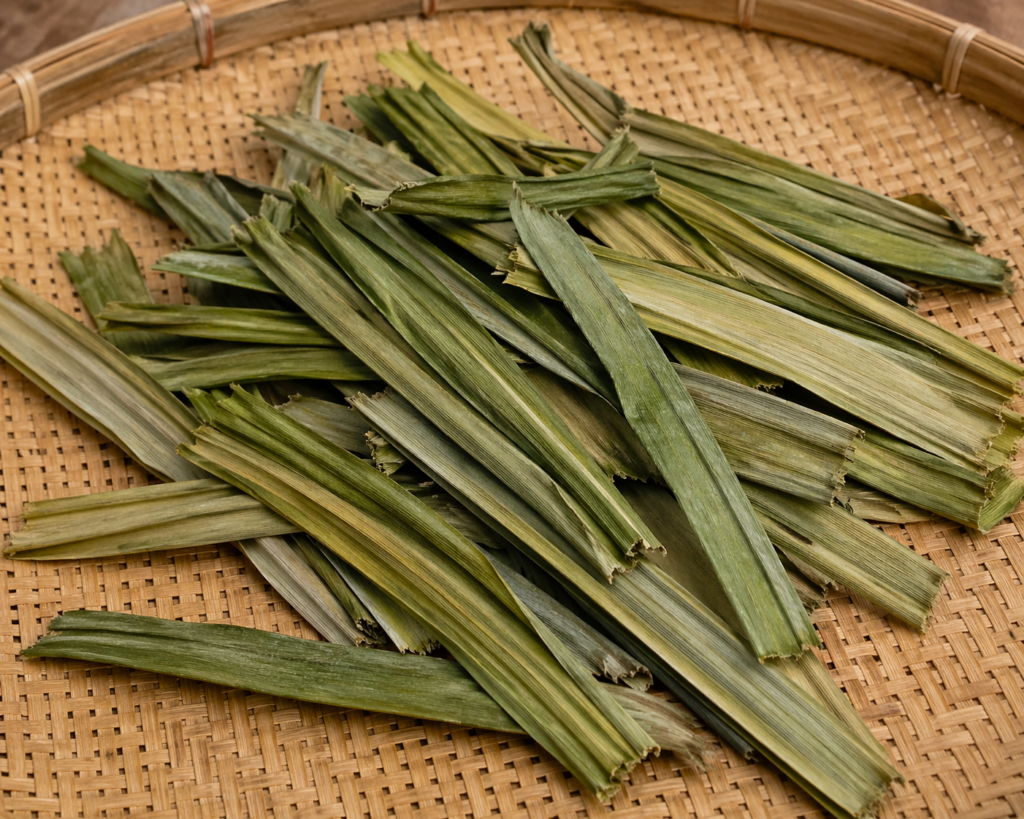
Pandanus Amaryllifolius, a tropical shrub that is found in Southeast Asia, produces these long, blade-like Pandan leaves. These leaves have been used for ages for their medicinal benefits as well as for their fragrance.
Why Pandan Leaves Are Popular in Asian Cooking
Pandan leaves are well known for their unique aroma, aesthetics, and taste, which makes them a culinary staple. These leaves give sweets and unmistakable homemade charm that’s irresistible.
Key Reasons People Love Pandan
- Pleasant vanilla-like aroma: Pandan leaves fill the room with an aroma similar to toasted rice.
- Natural green coloring: It is a great plant-based dye for doughs and batter.
- Versatile culinary use: It can be used for boiling, steaming, baking, or blending.
- Pairs well with coconut milk: The rich taste of coconut when combined with pandan makes it a legendary pair.
- Adds authentic Asian flavor: These leaves provide a traditional taste profile that is similar to local night markets.
Different Ways to Use Pandan Leaves
Whether you want a subtle fragrance or a bright green punch of color, you can use these techniques:
Infusing Pandan Flavor into Liquids
Infusing can be the best way to extract Pandan’s essential oils. You can simmer the leaves directly into your base liquids; the heat can help give your dish a floral undertone without altering the texture of your dish.
- First wash the leaves thoroughly.
- Tie the leaves into knots.
- Add them to the shimmering liquid.
- Let it sit so that the flavor can release.
- Remove the leaves before serving.
This method is great for:
- Coconut desserts
- Milk tea
- sweet soups
- custard
- Rice puddings.
Making Pandan Juice or Extract
If you are looking for an intense flavor and dark green hue, then you have to prepare a fresh extract.
- Chop fresh leaves into small pieces.
- Now blend them with water.
- Strain the liquid using a sieve or cloth.
- You can use the liquid in recipes.
This method is great for:
- Cakes
- Pancakes
- Jelly
- Desserts
- Smoothies
- Sweet drinks
Using Pandan in Rice Desserts
Rice can be used to absorb external aromas during the steaming process. Adding a few knotted leaves to your rice cooker can turn any dish into a gourmet dish like:
- Coconut sticky rice: this is a sweet, rich base combined with the goodness of mango.
- Sweet rice pudding: this is a comforting dessert that comes with palm sugar.
- Pandan rice cakes: these are traditional chewy bites that are made from glutinous rice flour.
Popular Asian Desserts Made with Pandan Leaves
-
Pandan Cake
This cake has a remarkable sweet floral aroma and depends heavily on the classic coconut and pandan combination.
-
Pandan Coconut Jelly
This layered summer dessert offers a mild sweetness that is both cooling and refreshing.
-
Kuih and Traditional Asian Sweets
Kuih is a broad section of bite-size traditional sweets:
- Kuih lapis is a steamed layered rice cake.
- Onde-onde: a chewy glutinous rice ball that is infused with Pandan and filled with molten sugar and covered with powdered coconut.
- Pandan custard cake: smooth custard set over a spongy base.
- Coconut-filled pastries: sweet, shredded coconut wrapped in pandan-scented crepes.
Refreshing Drinks Made with Pandan Leaves
Pandan Tea
This tea is a refreshing caffeine-free option for a great afternoon.
- Boil pandan leaves in water.
- Let them simmer for a few minutes.
- You can add honey or sugar as per your wish.
Pandan Coconut Drink
This is a hydrating tropical mocktail that combines the goodness of floral sugars with rich fats.
Common ingredients: pandan juice, palm sugar syrup, ice, and coconut milk.
Bubble Tea and Modern Drinks
Modern cafes have now started giving out drinks with these ingredients for younger audiences. You can find pandan flavor in iced lattes, green breakfast smoothies, or bubble teas.
Tips for Cooking with Pandan Leaves
- Choose Fresh Leaves When Possible: When choosing pandan leaves, choose the one with bright green color rather than those with a yellow tint.
- Store Properly: Pandan leaves spoil quickly because of excess moisture. Store them by wrapping leaves in a paper towel and then storing them in the freezer for a week.
- Avoid Overusing Pandan: Less is always more in the case of Pandan. Using the leaves in higher quantities can add bitterness to your recipe.
- Pair Pandan with Complementary Ingredients: When pandan is paired with coconut milk, vanilla, banana, rice, and mango, they can create great classic desserts.
Health and Wellness Appeal of Pandan Leaves
Pandan can be extremely useful when it comes to wellness and vitality. In the southeast area, pandan tea can balance blood sugar levels, ease minor headaches, and soothe your nervous system.
Conclusion
From being extremely useful in your kitchen to boosting your vitality, pandan leaves are an incredible ingredient in modern lifestyles. These leaves create comforting teas, show-stopping cakes, and delicacies, so learning how to use them can unlock a new world of Asian confectionery.